
Tools on Gender Equality and Social Inclusion
Gender Equality

Gender-Based Violence (GBV) Toolkit
The GBV Toolkit allows you to download the entire edition or read only specific sections. A graphical representation explains how the sections relate to the underlying theory of change.

Gender in Project Cycle Management (PCM) and Other Tools
Leave No One Behind

Leave No One Behind
Leave no one behind (LNOB) is the central pledge of the 2030 Agenda, recognising the need to combat poverty and inequalities. In fact, leaving no one behind is indispensable in order to meet the Sustainable Development Goals. On this page, you can find out about the ‹why›, the ‹what› and the ‹how› of implementation of the LNOB pledge at SDC, about the work of other organisations on LNOB and thematic links related to LNOB.
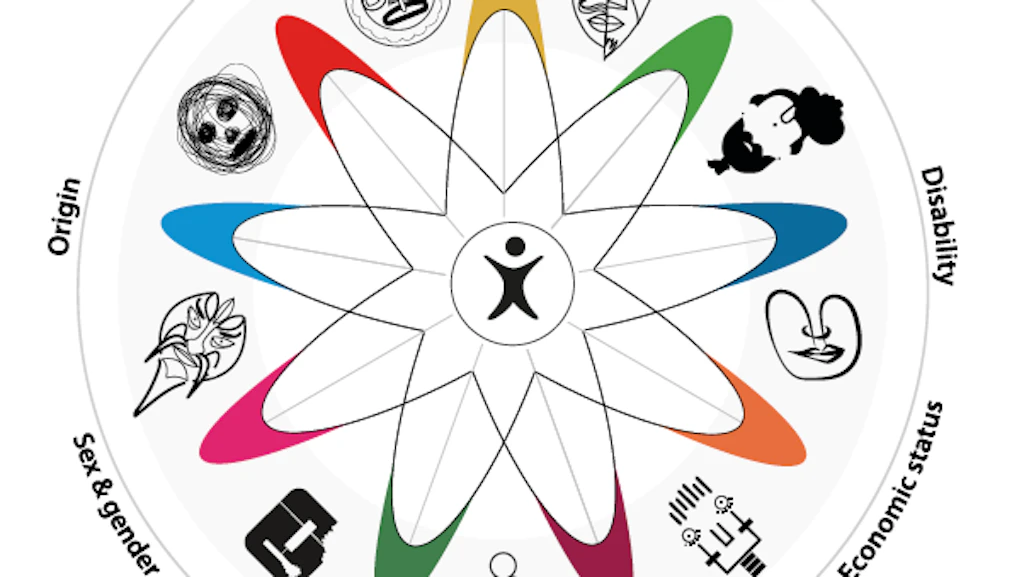
Leave No One Behind in Practice
Leave no one behind (LNOB) is the central pledge of the 2030 Agenda, recognising the need to combat poverty and inequalities. In fact, leaving no one behind is indispensable in order to meet the Sustainable Development Goals. This dedicated page features the SDC Guidance on LNOB and practical working aids for specific fields. All documents are available in at least English and French.

Participatory Assessments Focusing on Intended Target Groups: A methodology to leave no one behind
Participatory assessment (PA) aspires to assess an intervention and its results from the perspective of its ‘beneficiaries’ or primary stakeholders.
Social Protection
Working Aid: Strengthening social protection in Swiss international cooperation
What is social protection, why it is relevant to SDC, and what is Switzerland’s value added in strengthening social protection systems? This document helps SDC staff to map the social protection landscape in their countries of work; identify entry points, and design and implement projects in support of social protection systems.