The Rights of Persons with Disabilities
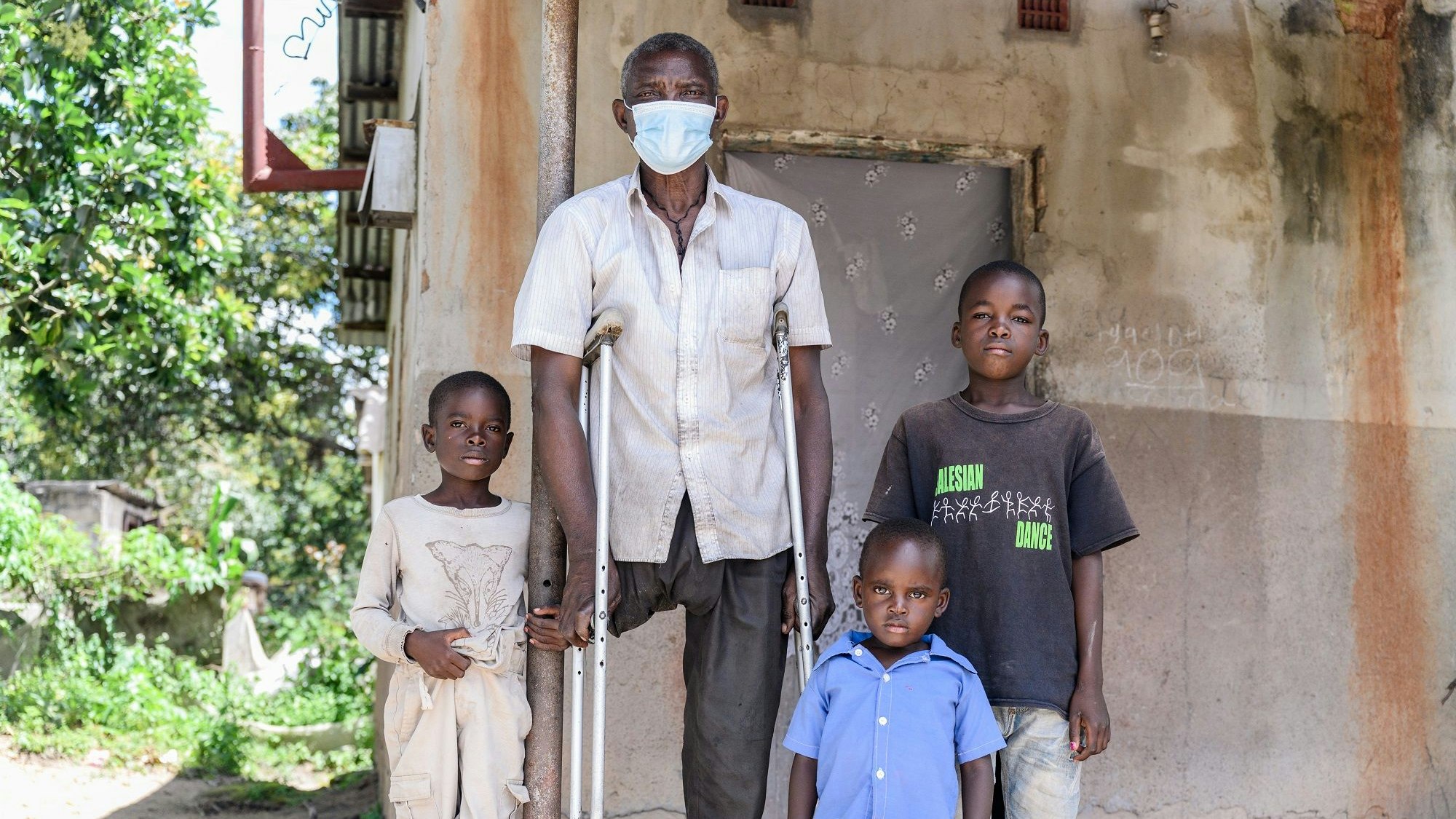
Over 1 billion people worldwide - 16% of the global population - live with disabilities, with 80% residing in developing countries. They are often among the most marginalised, facing significant barriers to education, employment, and healthcare. SDC works to ensure their inclusion in international cooperation, promoting equal opportunities and reducing inequalities. By addressing these challenges, SDC contributes to sustainable development and resilient societies where no one is left behind.
Swiss Frameworks on Disability Inclusive Development
SDC reaffirms its commitment to disability inclusive development programming
- It is estimated that 1.3 billion people (link) in the world currently experience significant disability. This is equivalent to about 16% of the global population.
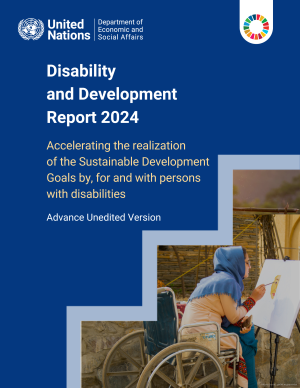
- The Sustainable Development Agenda (link) is designed around leaving no one behind. If the Sustainable Development Goals (SDGs) are to be achieved, people with disabilities must be included. Disability is specifically referenced in various parts of the SDG framework in relation to education, growth and employment, inequality, and accessibility, as well as featuring in indicators to allow monitoring of the SDGs.
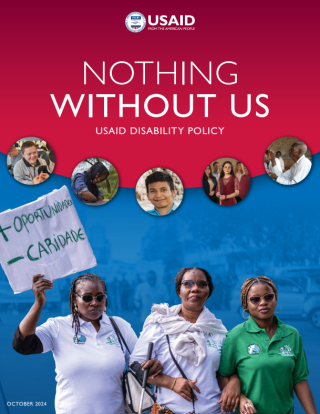
- The UN Convention on the Rights of Persons with Disabilities (link) which was agreed in 2006 and ratified by Switzerland in 2014, adopts a broad categorisation disability, reaffirms that all persons with all types of disabilities must enjoy all human rights and fundamental freedoms. It reasserts that people with disabilities must not face discrimination, must be given the opportunity to participate in society, and that they must be fully and effectively included.
Disability inclusive SDC programmes
From across the SDC portfolio there are many examples of where disability inclusion has been successfully integrated into broader development programmes. SDC works with local partners including organisations of persons with disabilities (OPDs) to improve disability inclusive development programming.
- For example, in Tunisia SDC has been working with UN Volunteers on the the ‹One Life› project to develop volunteering opportunities for people with disabilities within the UN system.
- Meanwhile, in Serbia SDC has partnered with the Association of Roma Society Zaječar and the Centre for Social Welfare Zaječar to deliver a project that supports Roma children living in rural areas in terms of health and wellbeing.
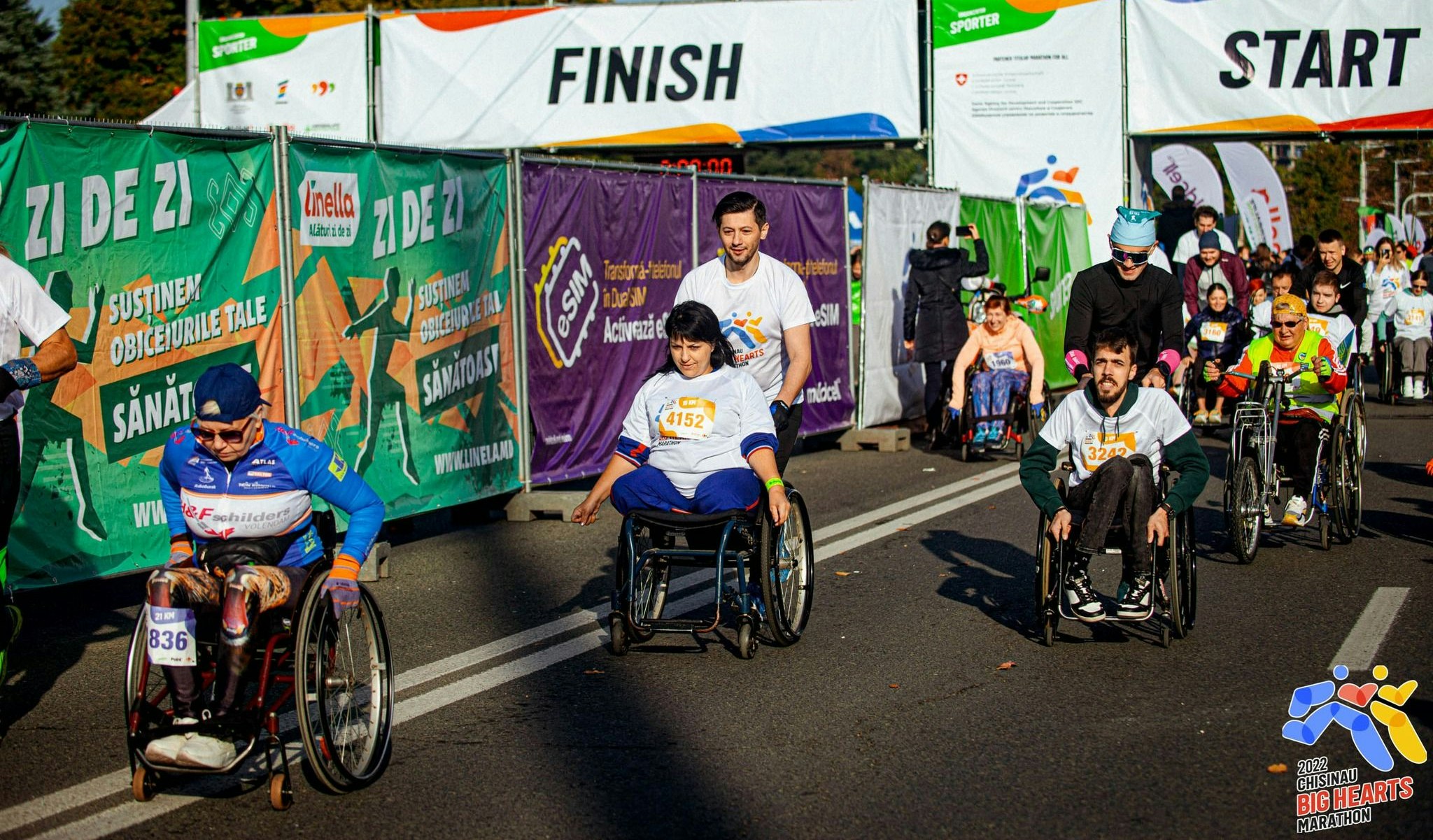
- In Moldova, SDC has partnered with the Alliance of Organizations for Persons with Disabilities from Moldova to improve the capacity of a mobile team who provide children with disabilities with social services.

Guidance and tools on disability inclusive development
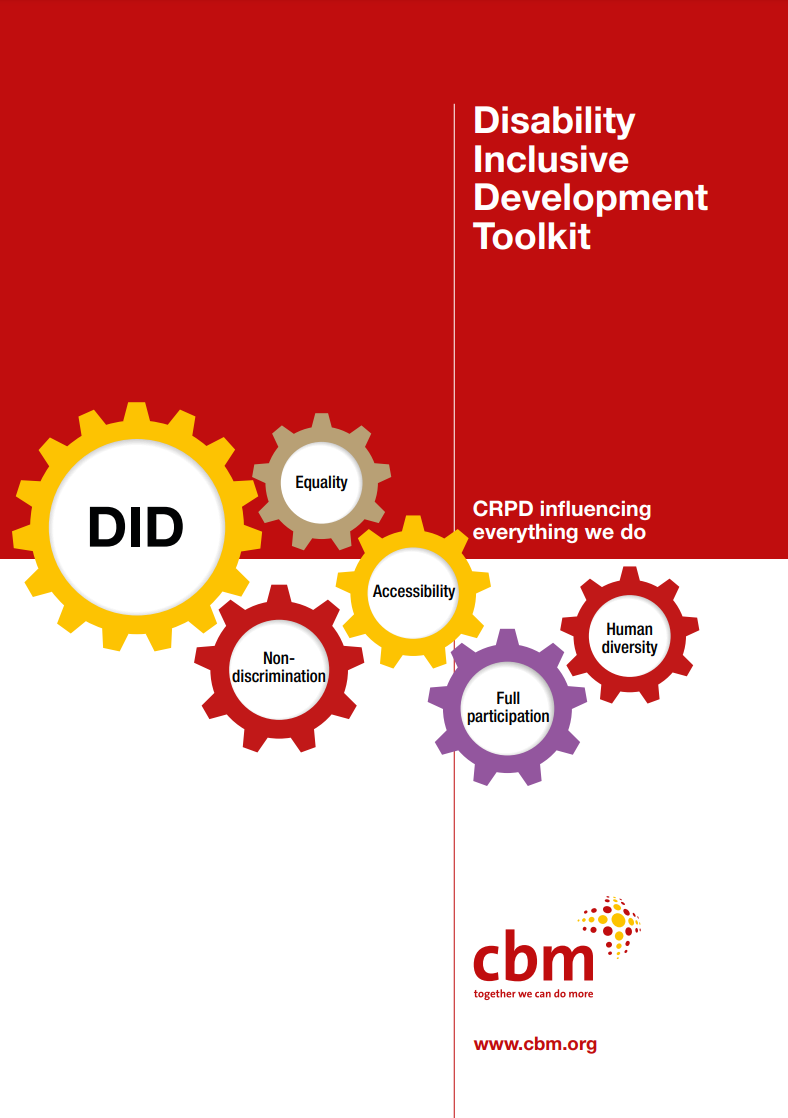
Ensuring disability inclusive development is necessary from both a human rights and a sustainable development perspective. In order for SDC staff and partners to ensure their work is disability inclusive, there are several documents and tools that offer advice and guidance: